For a lot of people, the first introduction to a business doesn’t come from a website anymore. It comes from AI.
Someone types a question into an AI tool like “Who is this company?” or “Is this business right for me?” and takes the answer at face value.
Here’s the uncomfortable part: that answer is often wrong.
AI doesn’t truly understand your business. It pulls pieces from all over the internet—your website, online reviews, business listings, old blog posts, and random third-party mentions—and blends them into one neat explanation.
If those pieces don’t match or are out of date, the result can be confusing, inaccurate, or overly generic.
That mixed-up summary could be someone’s very first impression of your brand.
|
|
|
|
|
|
Step 1: Ask AI Who It Thinks You Are
|
| |
|
|
|
|
The easiest place to start is with a simple test.
Open a few AI tools and ask:
- “Who is [Your Brand Name]?”
- “What does [Your Brand Name] do?”
- “Who is [Your Brand Name] a good fit for?”
Don’t correct anything yet. Just copy the answers and save them.
You’ll probably see issues right away—services missing, outdated info, or descriptions so vague they could apply to almost any business. That’s not AI being “bad,” it’s AI reflecting what it can find.
A helpful next step is to ask something like, “What makes this company different?” If the answer feels weak or generic, that’s a signal worth paying attention to.
|
|
|
|
👉 What would you love to see us cover next? Email us at info@nullditcanada.com — we’d love to hear your thoughts!
|
|
|
|
|
|
Step 2: Compare That to Reality
|
| |
|
|
|
|
Now compare AI’s answers to how you actually talk about your business.
Do those answers clearly explain what you do today, who you serve best, and why someone should choose you?
If AI can’t explain those things clearly, potential customers may struggle too. This step often uncovers messaging gaps business owners didn’t realize existed.
|
|
|
|
|
|
Step 3: Clean Up the Signals AI Uses
|
| |
|
|
|
|
You don’t “fix” AI directly. You fix the information it learns from.
Start with your website. Your homepage should clearly state who you help and what you offer, without requiring the reader to guess. Use simple, consistent language for your services and avoid buzzwords unless you also explain what they mean.
|
|
|
|
Next, review your business listings. Make sure your name, service descriptions, and categories are consistent everywhere they appear. Even small differences can confuse AI.
|
| |
|
|
|
|
|
Then check reviews and social profiles. Reviews that mention specific services reinforce what you actually do. Social bios should support your positioning, not contradict it.
|
|
|
|
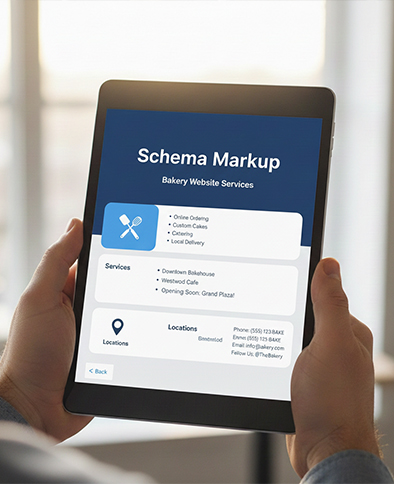
This is also where schema* comes in. Schema helps search engines and AI understand your business by labeling key information like services, location, and contact details in a structured way. When it’s accurate and consistent, it helps reduce confusion and guesswork.
|
| |
|
|
|
|
|
Old pages, outdated blog posts, or services you no longer offer can quietly muddy the waters. If something no longer reflects your business, update it or remove it.
*Schema: behind-the-scenes code on your website that clearly tells search engines and AI what your business does, offers, and serves, in plain, structured terms.
|
|
|
|
|
|
Step 4: Keep It Simple with Free Tools
|
| |
|
|
|
|
You don’t need expensive software to manage this.
Use simple, free tools like OpenOffice or Google Docs to log AI answers and track changes over time, Google Search Console to understand how your site is being indexed, and free software like Screaming Frog (free mode), LibreCrawl, or Netpeak Spider (free mode) to find outdated pages or gaps in your site structure.
Re-run these AI questions every few months and compare the results. Once your signals are aligned, improvements often show up faster than expected.
|
|
|
|
AI isn’t making things up out of thin air. It’s reflecting what your online presence is already saying.
When your website, listings, reviews, schema, and social profiles all tell the same clear story, AI gets better at telling that story too.
Understanding what AI thinks your brand is might feel a little uncomfortable at first, but it’s one of the simplest ways to protect your first impression and make sure it’s the right one.
|
|
|
|
|
|
101 Brock St S 2nd Floor, L1N 4J9, Whitby
|
This email was sent to {{ contact.EMAIL }}.
You’ve received this email because you’ve subscribed to our newsletter.
|
|
|
|
|
|
|